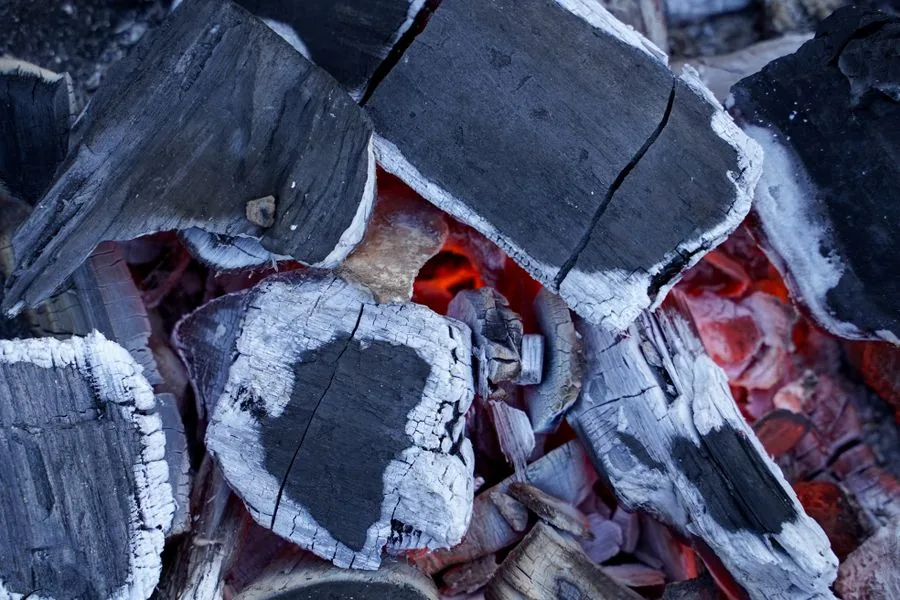
To put out a grill grease fire: close the lid, shut the vents, and turn off the burners (and the propane tank valve if you can reach it safely). Starved of oxygen, the flare-up dies in minutes. Never use water on a grease flare, and never move a burning grill. Afterward, clean the grates, burners, and grease tray — the fuel that started it — and check the wall, screens, and soffit behind the grill for smoke staining.
In most of the country, grill fires are a summer statistic. In South Florida the grill works all twelve months, usually on a covered lanai or patio a few feet from the house — which means the grease tray fills faster, the flare-ups come more often, and the smoke from a bad one has a stucco wall, a screen enclosure, and a soffit to stain. Here is the response that kills a grill grease fire, the cleanup that keeps it from repeating, and the part Florida homeowners discover afterward: what the smoke did to the house.
The short version
- Close the lid, shut the vents, kill the burners. A grease flare-up dies without oxygen — smothering beats fighting.
- Never water on a grill grease fire, and never move a burning grill.
- Propane involved? Turn off the tank valve only if safe to reach; if the tank itself is in the flames, evacuate and call 911.
- The grease tray started it. Cleaning grates, burners, and the tray after every few cooks prevents most flare-ups.
- Florida’s covered lanais put grills near stucco, screens, and soffits — check them for soot staining after any serious flare.
Why grill grease fires spike in Florida
Three local factors turn a national problem into a Florida habit. First, year-round grilling: a grill that runs weekly for twelve months accumulates grease at two or three times the rate of a seasonal one, and accumulated grease is the fuel in nearly every flare-up. Second, the covered lanai: South Florida grills sit under roofs and inside screen enclosures, a few feet from stucco walls — so flare-up smoke and heat meet the house immediately. Third, humidity and salt air corrode burners and grease trays, creating uneven flames and drip paths that feed fires.
Putting it out: lid closed, vents shut, burners off
- 1. Close the lid. A closed grill is a smothering chamber. This single move controls most flare-ups.
- 2. Shut the vents (charcoal) to cut the remaining oxygen supply.
- 3. Kill the fuel. Gas grill: turn the burner knobs off, then close the propane tank valve — but only if you can reach it without leaning through heat.
- 4. Wait it out. Starved of air and fuel, the fire inside dies in minutes. Opening the lid to check restarts the oxygen supply — give it time.
- 5. Know the escalation line. If flames are outside the grill body, if the tank itself is in the fire, or if anything on the lanai has caught: move everyone away and call 911. A propane tank in direct flame is not a homeowner project.
The two nevers: never pour water on a grill grease fire — burning grease erupts exactly as it does on a stovetop — and never try to wheel a burning grill away from the house. A moving grill sloshes flaming grease over its edges and onto you.
Cleaning the grill after a grease fire
A flare-up leaves the grill coated in the burnt version of its own fuel. Cleaning it is both restoration and prevention:
- Grates: run a 15-minute high-heat burn-off with the lid closed, then brush with a quality grill brush and wipe with oil on a paper towel. Heavy char: soak in hot water and dish soap, or baking soda paste for stubborn carbon.
- Burners and flavor bars (gas): brush burnt residue off the burner tubes and check the port holes — clogged ports produce uneven flames and future flare-ups. A straightened paper clip clears them.
- The grease tray and drip pan: this is where your fire was born. Scrape it, wash it, and line it per the manufacturer’s instructions. A full tray under a hot grill is a fire scheduled for later.
- The firebox: scrape carbon flakes and grease from the interior walls into the tray, then remove. Those flakes re-ignite.
Preventing the next one
- Empty the grease tray every few cooks — the single highest-value habit.
- Trim fat from meats and go easy on oil marinades; dripping fat is flare fuel.
- Preheat with the lid open per your manual and keep a zone of the grill food-free so you can move meat away from flames instead of fighting them.
- Keep 3 feet of clearance from walls, railings, and screen material — harder on a Florida lanai, and more important there.
- Keep baking soda or a Class B extinguisher outdoors-adjacent. The kitchen extinguisher does no good on the other side of a sliding door.
Flare-up smoke marked the house?
Soot on stucco, screens, or the soffit does not rinse off with a hose — it smears in and stains deeper. We clean exterior smoke damage the right way.
Get a Boca Raton estimateWhen the fire reached the house: stucco, screens, and soffits
After a serious flare-up, walk the area behind and above the grill. Soot on stucco sinks into the porous texture, and hosing it drives the oily residue deeper — the same reason we dry-clean before wet-cleaning on soot-stained brick and painted surfaces. Screen enclosures hold a greasy film that yellows in the sun if left. Soffits and ceiling areas above the grill catch the heaviest smoke load. And if the flare pushed smoke through an open slider, the burnt-grease smell inside the house follows the standard rules of smoke odor removal: it lives in residue, not air. Interior soot cleanup steps are covered in our guide to cleaning soot off walls — exterior surfaces follow the same dry-first logic with masonry-specific methods.
Frequently asked questions
Close the lid, shut the vents, and turn off the burners — and the propane tank valve if you can reach it safely. Cut off oxygen and fuel, and the flare-up dies in minutes. Never use water and never move a burning grill.
Not on a grease flare-up — burning grease erupts when water hits it, on charcoal or gas. Closing the lid and vents smothers it. Water is for fully extinguishing cool coals after cooking, not for fighting a grease fire.
Run a high-heat burn-off with the lid closed, brush the grates, clean the burner tubes and their port holes, scrape the firebox, and empty and wash the grease tray — the tray is usually where the fire started. Check the manual before lining anything with foil.
Accumulated grease. A full drip tray, greasy firebox walls, and fat dripping from meat supply the fuel. Empty the tray every few cooks, trim fat, and keep a food-free zone on the grates so you can move meat away from flames.
Often it makes things worse. Oily grill soot smears and drives deeper into porous stucco under water pressure. The residue needs dry removal and degreasing first — the same order used on interior soot — before any wet cleaning.
The bottom line: a grill grease fire dies the moment you take its oxygen: lid closed, vents shut, burners off, patience on. The tray you empty tonight is the flare-up that never happens next month — and after any serious flare on a Florida lanai, check the stucco and screens before the soot makes itself permanent.