Grease Fire Cleanup in Boca Raton
A grease fire leaves the single stickiest, oiliest soot of any household fire. Wipe it wrong and you smear it into the cabinets for good. Here's how it's cleaned properly — and why the smell travels so far.
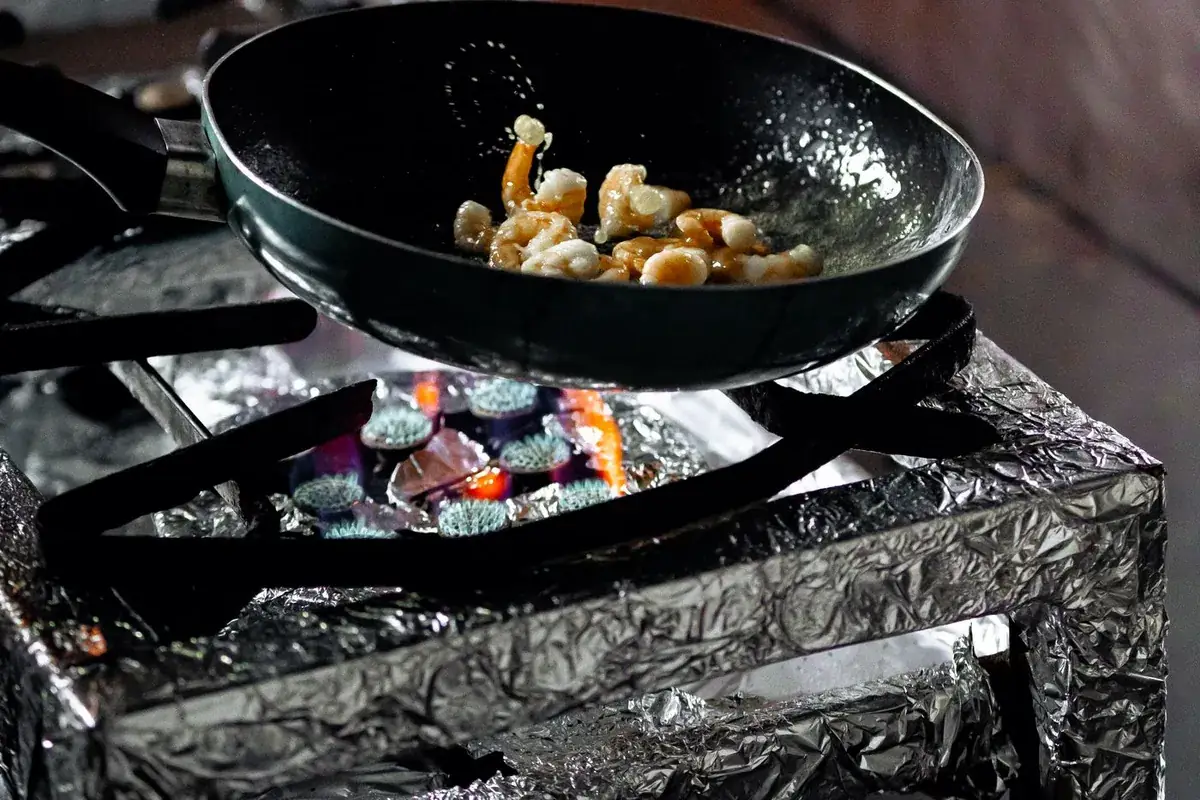 After the kitchen fire
Grease fire cleanup removes the oily, protein-based soot a cooking-oil fire leaves on cabinets, walls, and the range hood. Dry-remove it first, then degrease every surface the greasy smoke reached — including the near-invisible protein residue that causes lingering odor — and deodorize the home. Acting fast keeps the residue from staining cabinet finishes.
Grease fires are the toughest job in our kitchen fire cleanup work because of what burns: pure cooking oil and fat. They're also the most common — cooking oil, fat, or grease is the first item to ignite in roughly half of all home kitchen fires, according to NFPA data.
Understanding the problemWhy grease-fire soot is the worst kind
When oil ignites, it doesn't burn cleanly. It throws off a dense, greasy soot and an oily vapor that condenses on every nearby surface as a sticky, yellow-brown film. Unlike dry soot from paper or wood, grease soot:
- Bonds hard and smears — a wet rag drags it across cabinets and walls and grinds it into the finish.
- Coats everything greasy — cabinet faces, the backsplash, the range hood, countertops, nearby walls and ceiling, and the fronts of other appliances.
- Carries protein odor — the burnt-oil smell is powerful, clings to soft goods, and spreads through the home fast.
If the fire is happening: never use water on a grease fire — it explodes the burning oil. Smother it (lid, baking soda) or use a Class K / B extinguisher, and call 911 if it spreads. This page is about the cleanup after the fire is safely out.
Our grease fire cleanup process
Degrease, don't smear
We use specialized degreasing agents and a dry-then-wet method so the oily soot lifts off cabinets and walls instead of grinding in.
Clean the hidden residue
We clean the greasy film and protein residue off surfaces you can't even see staining on — inside cabinets, the hood, and adjacent rooms.
Deodorize & restore
Whole-home deodorization removes the burnt-oil smell, and we refinish or repair any cabinets and surfaces the fire damaged.
Grease fire cleanup FAQ
A tiny, immediately-wiped flare-up, maybe. But real grease-fire soot is oily and bonds to surfaces, so household cleaners and a rag usually just smear it deeper and grind it into cabinet finishes. It needs proper degreasers and technique, plus deodorization for the smell that spread — which is why most grease fires warrant professional cleanup.
Not necessarily. If the greasy soot is removed promptly with the right degreasers, many cabinets clean up well. Left to sit, the oily, acidic residue can stain and degrade the finish, so quick action is what saves them. We assess and tell you honestly what can be cleaned versus refinished.
The smell comes from protein residue and greasy smoke that spread well beyond the stove. Surface cleaning plus whole-home deodorization — HEPA scrubbing, thermal fogging, and ozone — removes it at the source. Air fresheners only mask it temporarily.
Grease fire in your kitchen?
Get an estimate before the oily soot sets into your cabinets.