Commercial Fire & Smoke Cleanup in Boca Raton
Every day closed is revenue gone. We clean up fire, smoke, and soot damage for Boca Raton restaurants, offices, retail spaces, and condo common areas — sequenced around getting you open again.
Business hit by fire or smoke?
Tell us what happened and when you need to reopen — we'll build the plan around it.
Call (728) 224-6880Or email info@bocasmokeandsoot.us — photos of the damage help.
Commercial fire and smoke cleanup restores business premises after a fire — removing soot and greasy residue, eliminating smoke odor from customer areas and ventilation, and documenting everything for the insurance claim. The difference from residential work is sequencing: the job is planned around reopening, with customer-facing areas prioritized and work phased around operating hours where possible.
A business can't wait out smoke damage
Residential smoke damage is a comfort problem; commercial smoke damage is a revenue problem. Customers smell a fire the moment they walk in, inventory absorbs odor by the hour, and acidic soot corrodes equipment and electronics while the doors stay shut. The work we do is the same chemistry as our residential restoration — the difference is what we optimize for:
- Reopening first. Customer-facing areas are assessed, cleaned, and deodorized first so partial operation resumes as early as the damage allows.
- Off-hours work. Where the spread permits, cleanup and deodorization run overnight and around your schedule.
- Paper trail. Commercial claims and landlord relationships need documentation — we photograph, scope, and report every stage.
Commercial spaces we clean up
Restaurants & Commercial Kitchens
Grease-fire residue on hoods, lines, ceilings, and dining rooms — degreased and deodorized.
Learn moreOffices & Workspaces
Smoke odor out of open-plan spaces, furniture, and ventilation so staff can return.
Learn moreRetail & Storefronts
Soot off walls, fixtures, and stock areas — and the smell out of everything soft.
Learn moreCondo & HOA Common Areas
Hallways, lobbies, and stairwells after a unit fire pushes smoke building-wide.
Learn moreBuilding HVAC Systems
The ductwork that spread the smoke — cleaned so the odor stops circulating.
Learn moreFull Fire Restoration
When the fire did structural and finish damage beyond cleanup.
Learn more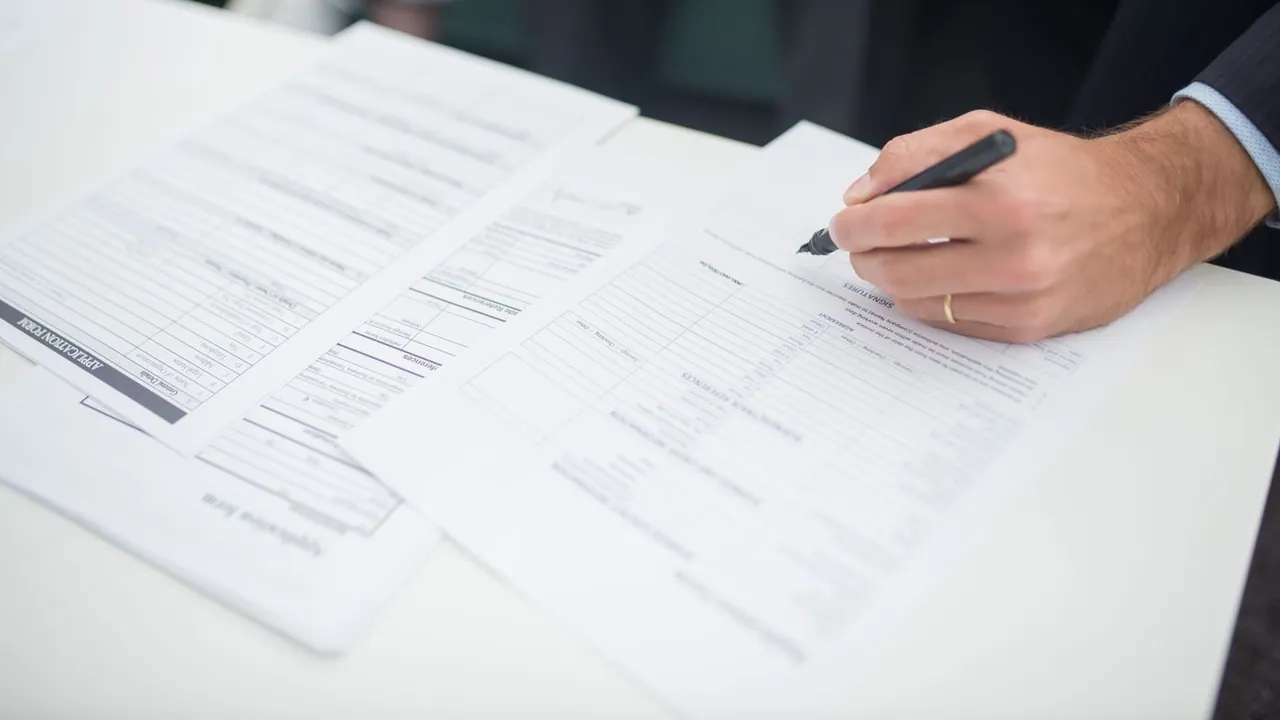 Claim-ready documentation at every stage
Built around downtime, not just damage
-
Same-day assessment & written scope — you know what's damaged, what's saveable, and the sequence before work starts.
-
Containment & air scrubbing keep soot from spreading into undamaged stock, equipment, and workspaces.
-
Degreasing & deodorization — restaurant-grade residue removal, thermal fogging, and ozone run during closed hours.
-
Claim-ready documentation for insurers, landlords, and associations at every stage.
Your biggest cost isn’t the cleanup
For food service specifically, the sequence of approvals that decides your reopening date is set out in the restaurant fire reopening checklist.
For most businesses the restoration invoice is not the expensive part of a fire. The closed days are. That changes what a good response looks like: the priority is not simply cleaning thoroughly, it is sequencing the work so you can trade again as early as safely possible — which often means containment, phasing, and out-of-hours work rather than one continuous shutdown.
It also matters for your claim. If you carry business interruption cover, what it pays is tied to the period of restoration — broadly the time it reasonably takes to get the premises operational again. Delay between the incident and the start of work is generally not recoverable, so the gap while everyone waits to see what happens is usually the most expensive part of the whole timeline.
| Worth checking in your policy | Why it matters |
|---|---|
| Waiting period before cover starts | Commonly around 24–72 hours — the first days are often on you |
| Period of restoration | Ties directly to how promptly and competently the work is sequenced |
| Extended business income | Covers the ramp-up after reopening; standard cover is often ~30 days, which is short for food service |
| What counts as continuing expenses | Rent, payroll, utilities and taxes usually continue while you are shut |
Restaurants have an additional constraint that other businesses do not — reopening is a compliance path involving suppression-system recertification and health department sign-off. That is set out on restaurant & commercial kitchen fire cleanup.
Commercial cleanup FAQ
It depends on the spread, but the sequence is designed around reopening: we contain and clean the customer-facing areas first where possible, run deodorization overnight, and phase the work so parts of the business can operate while the rest is restored. A contained kitchen fire in a restaurant is often a matter of days, not weeks.
Yes — commercial kitchens are the most common commercial fire cleanup we handle. Grease fires leave oily, protein-heavy residue across hoods, walls, ceilings, and dining areas, and the odor reaches everything soft. We degrease, deodorize, and document the work.
Yes. When a unit fire pushes smoke into hallways, stairwells, and shared ventilation, we work with property managers and associations on the common-area cleanup — corridors, lobbies, and the building systems that spread the odor.
That's standard for commercial work. We document the damage and the restoration for the claim, provide written scopes for property managers or associations, and schedule around your operating hours where the job allows it.
Both. Offices and retail bring their own priorities — inventory and electronics assessment, odor removal from open-plan spaces, and presenting a clean storefront again quickly. The methods are the same discipline; the sequencing is built around your business.
Get your business open again
Tell us what happened and when you need to reopen — we'll work backward from that date.