Black Soot on Walls Removal in Boca Raton
That black film, streak, or shadow on your wall is oily, acidic soot — and wiping it makes it worse. We remove it the right way and seal the surface so it won't bleed back through your paint.
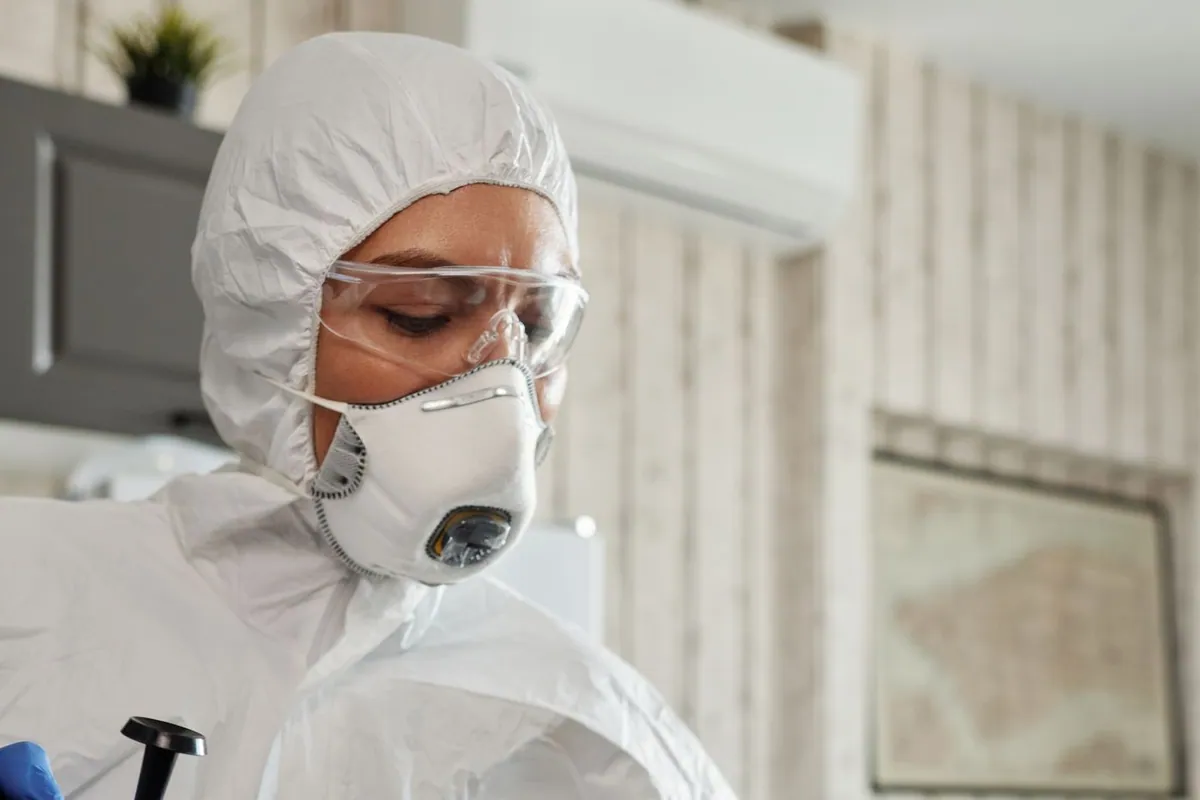 The soot residue we remove
The best way to clean soot off walls is dry-first — vacuum and lift the residue with a dry chemical sponge — then wash with a degreaser matched to the paint. Soot is oily and acidic, so wiping it wet smears it in and a magic eraser burnishes the paint; the dry-first method removes it without staining.
Every spoke of soot cleanup starts the same way, and walls are where most Boca homeowners first notice it. See our full soot removal services for the bigger picture, or read on for walls specifically.
Understanding the problemWhy soot shows up on walls
The building-science short version is simple: soot sticks to cold. It rises with warm air and settles where the wall is slightly cooler, which is why you'll see it as vertical streaks above a stove or fireplace, faint shadows tracing the studs — the wood framing conducts cold and runs a touch cooler than the insulated cavities, so it "ghosts" those lines — or a general gray film heaviest near the ceiling and around air-conditioning vents. Home inspectors call that stud-line pattern thermal tracking, and it's routinely mistaken for mold; the giveaway is that it follows the framing in straight lines.
On a painted wall, the residue doesn't just sit on top. The oily carbon works into the paint's texture, and its acidity slowly discolors the finish underneath. The longer it stays, the more the stain becomes part of the wall instead of something resting on it.
Not all soot is the same, and the type changes how it has to be cleaned. A fast, high-oxygen fire (paper, wood) leaves a dry, powdery soot that lifts more easily; a smoldering, low-oxygen fire leaves a sticky, oily soot that smears; and burnt food or oil leaves a nearly invisible, greasy protein residue that you smell more than see. Most household wall soot — candles, cooking, HVAC — is the oily kind, which is exactly why wiping it wet backfires. Reading the residue correctly is half of removing it without leaving a stain.
Common causes we see in Boca homes
- Candles — especially scented and jar candles, the single most common cause of mystery black walls.
- Cooking & kitchen fires — greasy residue that clings hard.
- HVAC and air handler issues — residue pulled in and redeposited through the vents.
- Fireplaces — backdraft pushing residue into the room.
- A house or appliance fire — heavier, often whole-room coverage.
Before you touch it: don't wet-wipe, and don't use a magic eraser. On these oily deposits, both smear the carbon into the paint and leave a permanent gray smudge. The correct first step is dry removal.
Our wall soot removal process
Dry soot removal
We HEPA-vacuum the loose deposits and use chemical dry sponges to lift the oily film off the paint without water — preventing the smearing that ruins DIY attempts.
Targeted wet cleaning
We follow with the correct degreasing cleaner for your paint type and sheen, working top-down so streaks don't run.
Seal & restore
If any staining remains, we apply a stain-blocking primer so it can't bleed through, then touch up or repaint as needed.
Soot on walls FAQ
Usually soot ghosting — oily carbon from candles, cooking, or an HVAC issue collecting on cooler spots of the wall, often above heat sources or tracing the studs behind the drywall. It needs dry soot removal first, not scrubbing.
No. A damp melamine sponge smears the oily soot into the paint and abrades the finish, leaving a shiny gray smudge. Soot must be dry-removed with a chemical sponge first, then cleaned with the right degreaser.
Most painted drywall can be cleaned and saved if it's treated before the soot etches in. Heavily saturated or fire-damaged drywall may need a stain-blocking sealer or, in severe cases, replacement. We assess first and tell you honestly.
Soot on your walls? Don't wipe it yet.
Get an estimate before a removable film becomes a permanent stain.