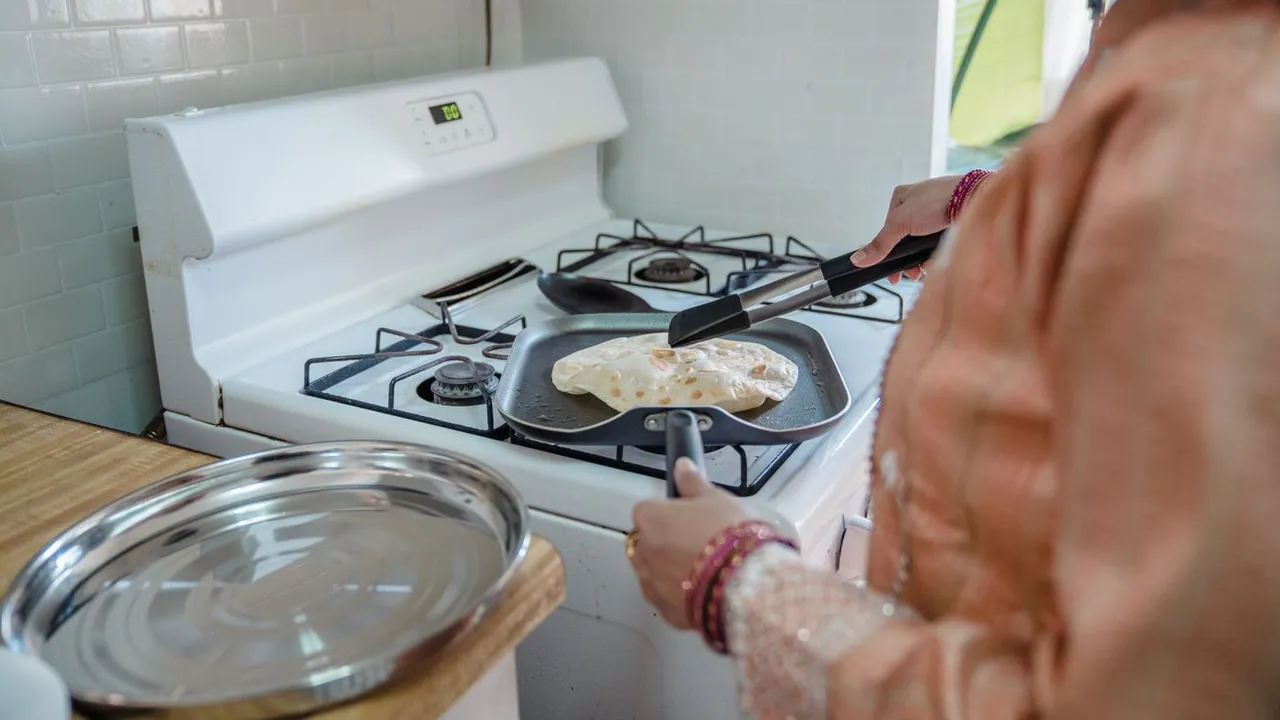
A smoking stove is usually burning off old spills, grease, or cleaner residue — annoying but harmless once it burns clean. New appliances also smoke lightly during first uses. The exception that matters: smoke or an acrid plastic smell from the back of the appliance points to wiring or insulation overheating. That one means turn it off, cut the breaker, and call a technician.
Some smoke from a stove is normal enough that appliance manuals mention it. Some means yesterday’s lasagna is being cremated under the burner. And one specific kind means turn everything off and make a phone call. The trick is telling them apart, and the diagnostic is simpler than it looks: where the smoke comes from and what it smells like tells you nearly everything. Here are the six causes, ranked from harmless to call-someone.
The short version
- Food and grease residue burning off is the cause in most cases — smoke stops when the residue is gone.
- Check inside the oven for forgotten pans, foil, liners, or packaging before assuming a fault.
- Oven-cleaner residue smokes on the first heat after cleaning — rinse better next time, ventilate this time.
- New appliances smoke lightly during the first few uses as factory coatings cure. It ends on its own.
- Smoke or acrid plastic smell from the back panel = stop. That points to wiring or insulation overheating — breaker off, technician in.
1. Old spills and grease — the usual suspect
Boil-overs, drips, and grease splatter land on burner drip pans, under stovetop grates, on oven walls, and on the hidden bake element. The next time the appliance gets hot, that residue carbonizes and smokes — which is why the smoke often appears from the stovetop while the oven preheats: heat rises through the range body and cooks whatever sits on or under the cooktop. The smell is burnt-food familiar, and the fix is unglamorous: let it cool, then clean the drip pans, under the grates, the oven floor, and the element area. The smoke ends when the fuel does.
2. Something left in the oven
Pans stored in the oven, foil on the floor, a pizza box, plastic-handled utensils, the instruction manual — ovens double as storage in many kitchens, and preheating incinerates the inventory. Melted foil and plastic on heating elements also produce lasting odor. Thirty-second check before every preheat; problem solved permanently.
3. Cleaning product residue
The first heat cycle after an oven cleaning session often smokes and smells chemical — that is leftover cleaner burning off, especially with spray-on products that pooled in corners. Wipe the interior with plain water several times after any chemical clean, run an empty burn-in with windows open, and skip harsh sprays in self-cleaning ovens entirely (they damage the self-clean coating and create exactly this problem).
4. New appliance burn-off
A brand-new range smoking on its first uses is in the manual: protective oils and coating residues from manufacturing cure during the first heating cycles, producing light smoke and a chemical smell. Manufacturers recommend a 30–60 minute empty burn-in with ventilation before the first meal. If light smoke continues past the first few uses, move down this list.
5. Grease in the vent path
Ovens exhaust through a vent — often under a rear burner or along the back of the cooktop. A greasy vent path smokes every time the oven runs, and over-the-range microwave grease filters above a smoking burner add their own contribution. Degrease the vent area and wash or replace the hood or microwave filters. If your kitchen walls and cabinets already carry a visible grease-smoke film from months of this, that residue is the same material we remove in kitchen smoke damage cleanup — it does not wipe off with ordinary sprays once it has baked on.
Smoke film building up on the walls?
Months of stove smoke leave a greasy amber film on paint and cabinets that ordinary cleaning smears. We degrease and restore kitchen surfaces properly.
Get a Boca Raton estimate6. Smoke from the back: the one that matters
Smoke rising from the rear panel of the range — where the wiring, terminal block, and insulation live — is a different category from everything above. So is the smell: overheating wire insulation smells acrid, plastic-sharp, sometimes fish-like, nothing like burnt food. That combination points to a failing element connection, damaged wiring, or overheating insulation, and it is a pre-fire warning, not a cleaning problem.
The response: turn the appliance off, cut its breaker, and bring in an appliance technician or electrician before the next use. In South Florida’s older housing stock, aging range circuits and connections make this warning worth respecting — the residue an electrical fault leaves behind is corrosive and acrid, which is why electrical fire soot cleanup is its own specialty. A $150 service call is the cheap version of this story.
Is it normal for a stove to smoke?
Briefly and explainably, yes — persistently, no. Normal: light smoke from a new appliance’s first uses, a one-time burn-off after a spill or a cleaning session. Not normal: smoke at every use (the fuel keeps coming from somewhere — usually the vent path or hidden grease), any smoke from the rear panel, or any acrid electrical smell. One more marker worth knowing: if smoke and soot have been light but chronic, check the wall above and behind the range — chronic smoke draws faint staining there, cousin to the thermal tracking lines that chronic candle soot draws on ceilings. Walls remember what the air forgets.
Frequently asked questions
Oven heat rises through the range body and burns off grease and spill residue sitting under the cooktop, on drip pans, or in the oven vent path, which often exits near a rear burner. Clean under the grates, the drip pans, and the vent area, and the smoke stops when the residue is gone.
Yes, lightly, during the first few uses. Manufacturing oils and coatings cure during initial heating and produce light smoke and a chemical smell. Run a 30-to-60-minute empty burn-in with windows open. Smoke that persists past the first few uses has another cause.
Acrid, sharp, and plastic-like — sometimes described as fishy. It is distinctly different from burnt food. Combined with smoke from the rear panel, it points to overheating wiring or insulation: turn the appliance off, cut the breaker, and call a technician.
Recurring smoke means a recurring fuel source. Deep-clean the drip pans, under the grates, the oven interior including the hidden element area, and the oven vent path, and wash the range hood or microwave grease filters. If smoke still appears at every use after that, have a technician inspect it.
Yes, slowly. Months of light grease smoke deposit an amber, sticky film on walls, cabinets, and ceilings that ordinary cleaners smear rather than lift. The film needs proper degreasing, and repainting over it without cleaning and priming first causes stains to bleed through.
The bottom line: read the smoke by source and smell. Burnt-food smell from the cooking areas is residue burning off — clean it and move on. Chemical smell after cleaning or on a new appliance ends on its own. Acrid plastic smell or smoke from the back panel is your range asking for a technician before it asks for a fire truck.