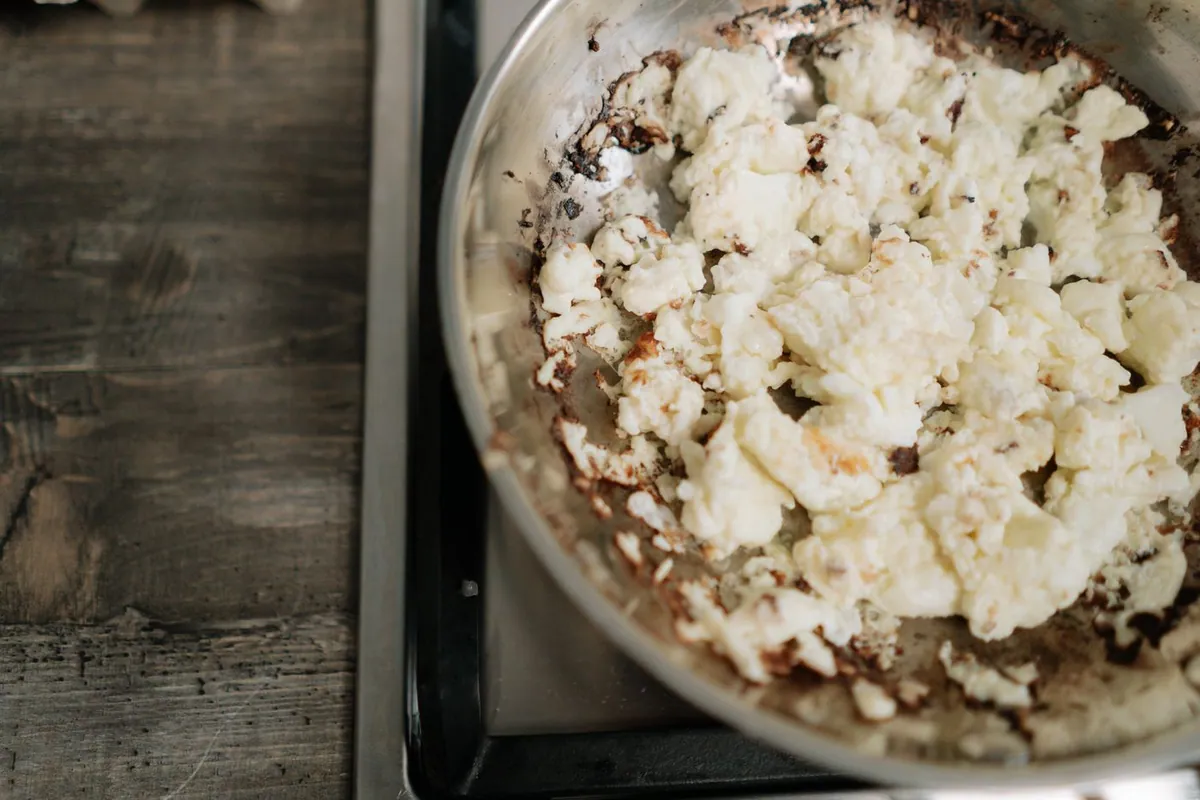
Burnt-food smoke is protein smoke: greasy, invisible, and clingy. Clean the microwave first with a lemon-or-vinegar steam treatment, then treat the rooms the smell reached — wash nearby fabrics, wipe surfaces around the kitchen, replace the HVAC filter, and ventilate hard for 24 hours. Light cases clear in a day or two; a real microwave fire embeds odor in walls and ducts and needs source removal.
It takes 30 extra seconds on a bag of popcorn. The microwave contains the flames — that is its job — but not the smoke, which exits through the vents and spreads through the home in minutes. Two days later the kitchen still smells like a campfire built from regret, and the most-searched version of this question ends with the word reddit because appliance brand articles stop at cleaning the microwave itself. This guide covers the whole problem: the appliance, the kitchen, the house, and the honest timeline for each level of burn.
The short version
- Burnt food produces protein smoke — a greasy, nearly invisible residue that carries heavy odor and clings to surfaces.
- Clean the microwave first: debris out, lemon-or-vinegar steam, baking soda overnight.
- The house smells because surfaces hold residue — fabrics, walls near the kitchen, and the HVAC that inhaled the smoke.
- Timelines: light burn, 1–2 days; heavy burn, up to several weeks if untreated; actual fire, until the residue is removed.
- Florida’s humidity and year-round AC extend and spread the smell — treat the system, not just the air.
Why 30 seconds of burnt popcorn smells for weeks
Burnt popcorn, rice, or a forgotten sandwich produces protein smoke — the residue class professionals consider the worst smell-to-visibility ratio in the business. It deposits almost nothing you can see, but the film it leaves is greasy, and it bonds odor compounds to every surface it touches. Cleaning guides report a light-to-moderate burnt popcorn smell lasts anywhere from a few days to several weeks if left unchecked, and the enclosed microwave cavity concentrates the residue before the vents distribute it.
The spread pattern explains the frustration. The smoke exits the microwave vents, rides the kitchen air, and gets inhaled by your air conditioning return. From there the system delivers a diluted dose of burnt-popcorn air to every room in the house. You did not imagine it: the bedroom really does smell like the kitchen’s mistake.
Step 1: Fix the microwave (30 minutes)
- Remove the source. Bag, food, turntable — everything out. Wash the turntable and rack in hot, soapy water.
- Steam-clean the cavity. Microwave 1 cup of water with 1 tablespoon of lemon juice or white vinegar for 3–5 minutes, keep the door shut 5 more minutes, then wipe every interior surface — walls, ceiling, door gasket, and the grease filter underneath if it is an over-the-range unit.
- Deodorize overnight. Shut an open box of baking soda (or a cup of dry coffee grounds) inside overnight. Both absorb what the wipe-down missed.
- Repeat once if needed. A heavy burn takes two steam cycles. If the smell survives two, the odor is no longer in the microwave — move to the next section.
Step 2: Fix the kitchen (the part appliance guides skip)
The smoke that left the microwave condensed on whatever it touched first. Work outward:
- Run the range hood and open the nearest window — cross-ventilation beats one open window by a wide margin.
- Wipe hard surfaces within smoke range: counters, cabinet faces (inside the cabinet above an OTR microwave especially), backsplash, and the wall behind the unit, using warm water with dish soap or a mild degreaser.
- Wash the soft goods: curtains, chair cushions, dish towels, anything fabric within the kitchen’s airspace. Fabric is where burnt-food odor retires and lives long.
- Set out odor absorbers: bowls of baking soda or activated charcoal around the kitchen overnight. They absorb; sprays only compete.
Step 3: Fix the house — the Florida part
If rooms far from the kitchen smell burnt, your AC system participated. It ran during the smoke event, pulled particles through the return, and coated its filter — and lightly, its coil and ducts. In South Florida the system then runs another eight hours that same day, re-serving the smell on every cycle while humidity keeps the residue active. The fix:
- Replace the HVAC filter immediately — it is the cheapest odor sink in the house and it is currently saturated.
- Ventilate hard once: AC off, windows open on two sides, 30–60 minutes of real air exchange, ideally in the morning before humidity peaks.
- Give it 24–48 hours of absorbers plus normal AC runtime with the new filter. A one-item burn clears on this schedule.
- If the smell keeps returning with the AC, residue is coating the duct interiors — the same mechanism as post-fire smoke, covered in our guide to smoke smell in the AC and ducts.
Smell outlasting every home remedy?
When burnt-food odor survives two weeks of cleaning, the residue is in places rags don’t reach — duct interiors, wall paint, cabinet boxes. We find it and remove it at the source.
Get a Boca Raton estimateHow long it takes — honest timelines by severity
| What happened | With prompt cleaning | If ignored |
|---|---|---|
| Light burn (popcorn, toast-level) | Hours to 1 day | Up to 1–2 weeks |
| Heavy burn (charred food, visible smoke) | 1–3 days | Several weeks |
| Melted plastic or packaging | 2–7 days; the appliance often keeps the odor | Weeks; plastic odor is the most stubborn |
| Actual flames inside the microwave | Needs source removal beyond DIY | Months — the residue does not age out |
A note on safety: burnt-food and melted-plastic fumes are irritating, and sensitive people, pets, and birds should stay out of the kitchen until it airs out. Persistent headaches or breathing irritation after a plastics burn is a reason to keep ventilating and limit exposure — and to shorten the timeline with a proper cleanup instead of waiting it out.
When it was an actual microwave fire
Flames inside the cavity change the category. A real microwave fire — even one that stayed inside the appliance — deposits protein-and-plastic smoke through the kitchen and the HVAC, and that residue does not respond to lemon steam. Two honest markers that you are past DIY: the smell returns every time the AC runs, or a week of cleaning has not moved it. At that point the fix is professional oven and microwave fire cleanup — source removal from the surfaces and the system, then deodorization that ends it. Our guide to getting smoke smell out of a house after a fire covers the same escalation for larger events.
If what burned was not in the microwave — a pan on the hob, something forgotten in the oven — the same principles apply but the residue differs. Our broader guide covers getting rid of a burnt smell in the house, including why scorched protein lingers days longer than burnt toast.
Frequently asked questions
A light burn clears in hours to two days with prompt cleaning. A heavy burn takes one to three days of active treatment, or several weeks if ignored. Odor from an actual microwave fire persists until the residue is physically removed — it does not fade on a useful schedule.
Burnt-food smoke is irritating rather than acutely dangerous, but melted plastic fumes deserve more caution. Ventilate well, keep sensitive people, pets, and especially birds away until the air clears, and take persistent irritation as a reason to remove the residue rather than wait it out.
Baking soda and activated charcoal absorb odor; sprays only mask it. Set open bowls near the source overnight, replace the HVAC filter, and ventilate with windows open on two sides. Absorption plus airflow beats any fragrance product.
The microwave vented the smoke into the kitchen, and your air conditioning return inhaled it and distributed it to every room. The AC filter, and in stronger cases the coil and ducts, then re-release the odor each cycle until they are cleaned or replaced.
Smoke residue is sitting in the HVAC system — filter, coil, or duct interiors — and each cooling cycle pushes air across it. Replace the filter first; if the pattern continues, the system needs cleaning, which is the same treatment used after kitchen fires.
The bottom line: burnt-microwave smell is protein smoke following simple rules: it lives on surfaces, it rides your AC, and it leaves when the residue leaves. Clean the appliance, the kitchen, and the filter in that order, and give it 48 hours. If the smell outlasts two weeks — or came from real flames — stop scrubbing and remove it at the source.