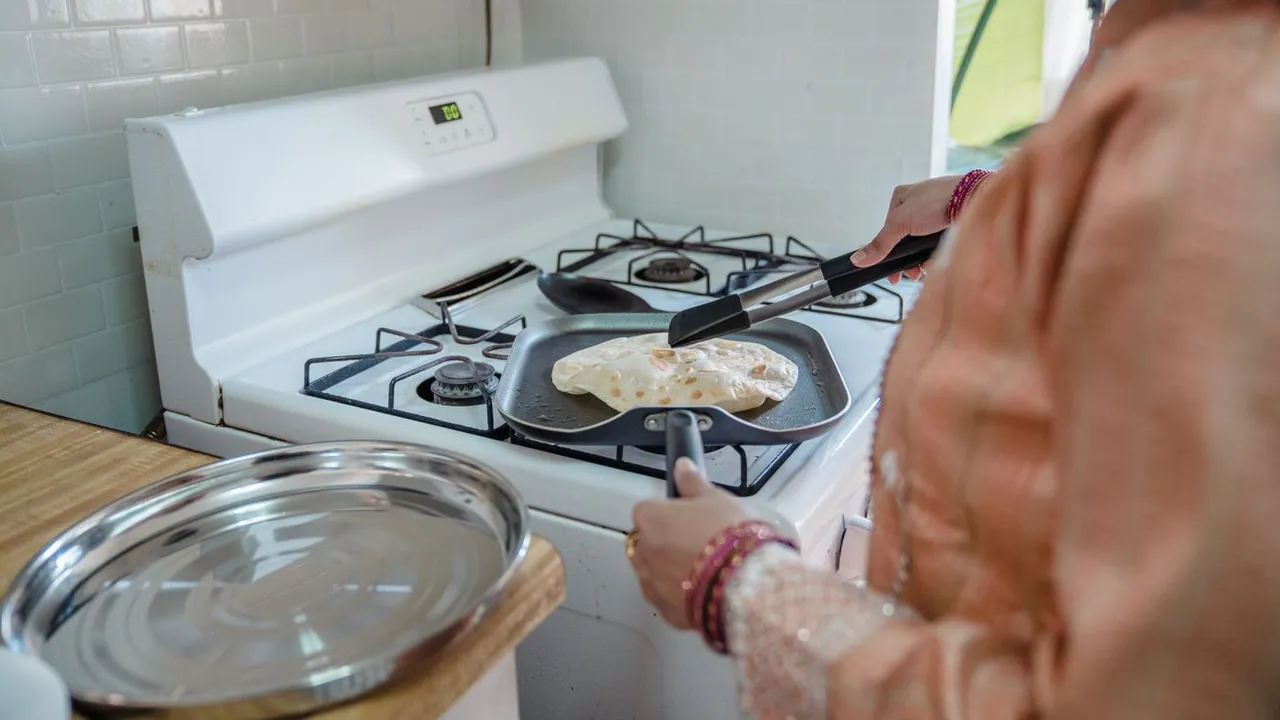
The most important kitchen fire safety rule is to never leave cooking unattended — it’s the leading cause of home fires. Back it up by managing hot oil, keeping a 3-foot clear zone around the stove, turning pot handles inward, cleaning grease buildup, installing smoke alarms, and keeping the right extinguisher within reach.
Cooking is the number-one cause of home fires and home-fire injuries in the United States, year after year, according to the NFPA and the U.S. Fire Administration. The good news: kitchen fires are also among the most preventable, and almost all of the prevention is small habits rather than special equipment. Here are 12 kitchen fire safety tips that stop the vast majority of cooking fires before they start — plus what to do in the seconds after one does.
The short version
- Never leave cooking unattended — it's the single biggest cause of kitchen fires.
- Respect hot oil. Heat it slowly, watch for smoke, and keep a lid within reach.
- Keep a 3-foot clear zone around the stove — towels, packaging, and sleeves start fires.
- Working smoke alarms + the right extinguisher turn a disaster into a scare.
Why most home fires start in the kitchen
The kitchen concentrates the three things a fire needs — heat, fuel, and air — in one small space, often while you're distracted. NFPA data is blunt about the cause: unattended cooking is the leading factor in cooking fires, and cooking oil or grease is the first thing to ignite in roughly half of kitchen fires. That's why prevention is less about gadgets and more about attention and a few simple rules.
12 kitchen fire safety tips
- 1. Stay in the kitchen while you cook. If you have to leave — even for a minute — turn the burner off. Most kitchen fires start during a short absence.
- 2. Heat oil slowly and watch it. If oil starts to smoke or shimmer hard, it's near its flash point — turn the heat down. Smoking oil is a warning, not a normal step.
- 3. Keep a lid within arm's reach. A metal lid or baking sheet is the fastest, safest way to smother a pan fire by cutting off its oxygen.
- 4. Keep a 3-foot clear zone around the stove. Oven mitts, dish towels, paper, wooden utensils, and food packaging all ignite — keep them off and away from burners.
- 5. Turn pot handles toward the back. So no one bumps a pan off the stove or pulls it down — a major scald and fire risk with kids around.
- 6. Dress for the stove. Roll up loose sleeves or wear close-fitting ones; loose fabric over a burner catches fast.
- 7. Clean grease before it builds up. Baked-on grease on burners, the stovetop, and the range hood is fuel. Wipe down after cooking and degrease the hood regularly.
- 8. Keep kids and pets at a distance. A 3-foot "kid-free zone" around the stove prevents a huge share of kitchen burns and knocked-over pans.
- 9. Install and test smoke alarms. Put alarms on every level and near (but at least 10 feet from) the stove to cut down on nuisance trips, and test them monthly.
- 10. Keep the right fire extinguisher. Know which class works on a grease fire and keep it reachable — see our guide to the right fire extinguisher for a kitchen.
- 11. Don't cook impaired or exhausted. Alcohol and sleepiness are quietly behind many late-night stove fires; use a timer as a backstop.
- 12. Maintain your appliances. Check cords, don't overload outlets, and keep the oven and microwave clean — food residue and frayed wiring both start fires.
If a kitchen fire starts: how to respond
Prevention isn't perfect, so know the response cold. For a pan or grease fire: turn off the heat and slide a lid over the pan to smother it — never water, which makes burning oil erupt. For an oven or microwave fire, keep the door shut and turn it off so the fire starves. If the fire spreads beyond the pan, get everyone out, close the door behind you, and call 911. Our full walkthrough is in how to put out a grease fire.
Already had a kitchen fire?
Even a small, quickly-extinguished cooking fire spreads greasy smoke and soot well beyond the stove. If your Boca Raton kitchen had a fire, we can assess the spread, clean it properly, and clear the smell.
Get an estimateAfter a fire — what comes next
The minutes after a fire matter as much as prevention. Don't wipe greasy soot (it smears in), switch the HVAC off so it stops spreading smoke, document everything for insurance, and discard food exposed to the smoke. Our guide to the first 24 hours after a kitchen fire covers the full checklist, and kitchen fire cleanup explains how the restoration itself works.
Update (July 2026): one layer worth adding to these twelve habits: automatic suppression for the fire that starts when nobody is watching. Unattended cooking remains the leading factor in kitchen fires — and in apartment and condo buildings, cooking causes roughly 74 percent of all fires. A StoveTop FireStop canister above the burners drops suppressing powder automatically when flames touch its fuse; our full FireStop guide covers the models and mounting. Pair it with the response drill in how to put out a grease fire and the prevention habits on this page cover both the fires you see start and the ones you don’t.
Frequently asked questions
Unattended cooking. National fire data consistently shows that leaving cooking food unwatched is the leading factor in kitchen fires, and cooking oil or grease is the most common first material to ignite. Staying with the pan and turning the burner off when you step away prevents most kitchen fires.
Heat oil slowly and never leave it, watch for smoking oil (a warning sign), don’t overfill the pan, keep a lid within reach to smother flare-ups, and keep the stovetop and range hood free of baked-on grease. If oil ever ignites, turn off the heat and cover the pan — never use water.
Install smoke alarms on every level of the home and outside sleeping areas, and keep kitchen-area alarms at least 10 feet from the cooking appliance to reduce nuisance alarms from normal cooking. Test every alarm monthly and replace batteries on schedule.
For a pan fire, turn off the heat and slide a metal lid or baking sheet over it to smother the flames — never water. For an oven or microwave fire, keep the door closed and turn it off. If the fire grows or spreads, get everyone out, close the door behind you, and call 911.
The bottom line: kitchen fires are the most common home fire and the most preventable. Stay with your cooking, respect hot oil, keep a clear zone and a lid handy, and back it up with working smoke alarms and the right extinguisher — and know the smother-don’t-douse response if one ever starts.