Condo & HOA Smoke Damage in Boca Raton
One unit has a fire and four units smell it. Smoke ignores the boundaries that insurance policies are built around, which is why these jobs turn into a question about who pays.
In a Florida condominium the association generally covers common elements — structure, shared systems, exterior — while the unit owner’s HO‑6 policy covers “walls-in” items like flooring, cabinets, paint and contents. Smoke complicates that because it travels through shared walls and ductwork, so damage lands on both sides of the line at once.
Why these jobs get complicated
A single-family house fire has one owner, one policy and one set of decisions. A condominium fire has an association, a master policy, individual owners, individual HO‑6 policies, governing documents, and a building whose shared systems actively distributed the damage. The cleaning is not harder. The coordination is.
Boca Raton is unusually condo-dense, so this comes up here far more often than it would in most markets — and the single most common question is not about method. It is who pays.
How responsibility usually splits
Broadly, and subject always to the governing documents:
| Typically the association | Typically the unit owner (HO‑6) |
|---|---|
| Structure and exterior walls | Interior paint and wall finishes |
| Roof and building envelope | Flooring and floor coverings |
| Common corridors, lobbies, stairwells | Cabinets, built-ins and fixtures |
| Shared mechanical and ventilation systems | Appliances and personal property |
| Common-element damage from the loss | Contents, clothing and soft furnishings |
Two honest caveats. First, that split is a general pattern under the Florida Condominium Act, and the actual dividing line for any specific building sits in its own declaration and bylaws — those documents govern. Second, negligence can move the line: where damage results from another party failing to do something they were responsible for, who ultimately bears the cost can change. Both of those are questions for your association’s counsel or a licensed adjuster, not for a restoration contractor. What we can do is make sure the damage is documented clearly enough that the question can be answered.
How smoke actually gets between units
Owners are often told the damage in their unit “can’t” have come from a fire two floors down. It can, and routinely does. The building gives it several routes:
- Common ductwork and ventilation risers — the most efficient path, and the reason units nowhere near the fire smell of it. See HVAC and air duct smoke odor.
- Shared wall cavities, which are rarely as sealed as they look.
- Plumbing and electrical penetrations under sinks, behind toilets and around risers.
- Corridors and stairwells, particularly once doors have been opened during evacuation.
- Pressure — fire pushes smoke into every available gap rather than letting it drift.
Where the problem is ongoing rather than from a single incident — a neighbour who smokes — the same routes are involved and the fixes are the same; smoke smell from a neighbour covers the sealing side in detail.
What to do first, as an owner
Your own insurer and the association or property manager. They run on separate timelines and your policy has its own notice requirements — waiting to see what the association does is how owners miss their own deadlines.
Room by room, including inside cabinets and wardrobes, the HVAC return, and soft furnishings. On a smoke-only loss the residue is the evidence.
The maintenance and insurance responsibility clauses are what actually decide the split for your building.
If the shared ductwork is still contaminated it will re-seed a cleaned interior. The shared systems and the source unit need addressing alongside the individual units.
Why coordinating beats four separate contractors
When several owners each hire independently, the shared systems tend to fall between them — everyone cleans their own interior and nobody addresses the ductwork that connects them. The result is a building where every unit has been cleaned and the smell comes back within weeks.
Scoping a multi-unit loss as one job, with per-unit documentation that each owner and the association can use for their own claim, avoids that and is usually cheaper overall. The documentation side is covered in fire insurance claims, and what smoke-only claims tend to run into is in is smoke damage covered by insurance.
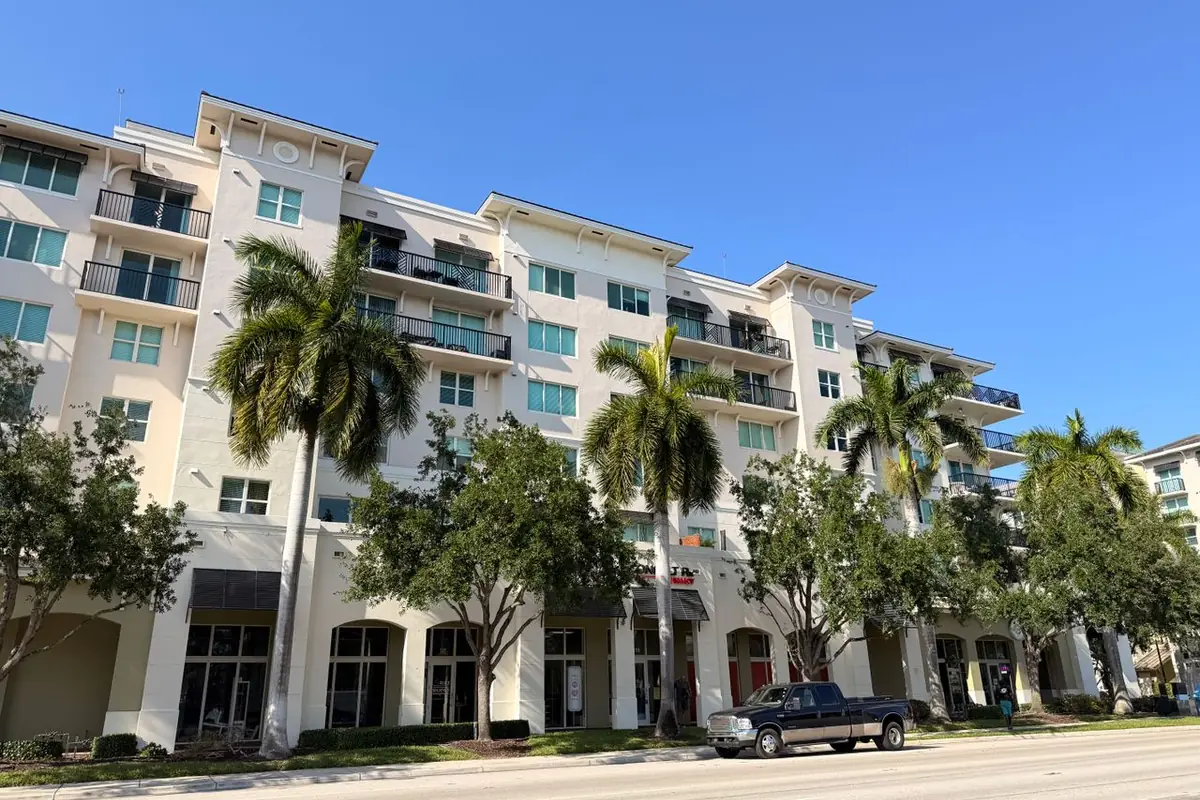 Smoke crosses unit lines
Condo & HOA smoke damage FAQ
Usually both, for different parts. Under the Florida Condominium Act the association is generally responsible for common elements such as the structure, exterior walls, roof and shared systems, while the unit owner's HO-6 policy covers what is often described as walls-in: flooring, cabinets, interior paint, fixtures and personal property. Which side a specific item falls on depends on the association's governing documents, so those documents rather than a general rule are the thing to read first.
Because smoke moves through the paths the building provides. Shared wall cavities, common ductwork and ventilation risers, and the gaps around plumbing and electrical penetrations all connect units that appear separate. Smoke is also under pressure during a fire, which pushes it into those routes. It is entirely normal for a fire in one unit to leave odor and residue in units above, beside and across a corridor.
It can. Where damage results from negligence — by another owner, or by the association failing to maintain something it is responsible for — that can shift responsibility for the resulting damage. That is a legal question rather than a cleaning one, and it is decided on the governing documents, the policies in force and the facts. What helps in every version of that argument is thorough documentation of what was damaged and where, captured before anything is cleaned.
Notify both your own insurer and the association or property manager, in writing, on the same day. Photograph and video everything before cleaning, including inside cabinets, wardrobes and the HVAC return. Do not assume the association's claim covers your interior, and do not wait to see what they do before opening your own claim — the two run on separate timelines and your policy has its own notice requirements.
It can, but it often should not, because the shared systems are the reason the smoke spread. Cleaning a unit while contaminated air is still circulating through common ductwork simply re-seeds it. On multi-unit jobs the sensible sequence is to address the shared HVAC and the source unit alongside the individual interiors, which is also why coordinating through the association usually produces a better result than four owners hiring separately.
Smoke damage across multiple units?
We scope unit by unit and document it clearly, so the association and each owner can see what belongs where.