Fire Insurance Claims in Boca Raton
The difference between a smooth claim and a disputed one is usually documentation, captured before anyone starts cleaning. Here is what that means in practice.
Photograph and document everything before any cleaning starts — cleaning first removes the evidence your claim rests on. Under Florida law your insurer must acknowledge a claim communication within 7 calendar days and pay or deny within 60 days of notice (Fla. Stat. §627.70131). Your policy also places a duty on you to prevent further damage in the meantime.
The Florida clock, with the right numbers
A lot of what you will read about Florida claim deadlines is out of date — the statute was amended and much of the advice online still quotes the older, longer timeframes. These are the current requirements under Fla. Stat. §627.70131.
| Stage | Deadline | Statute |
|---|---|---|
| Insurer acknowledges your claim communication | 7 calendar days | §627.70131(1)(a) |
| Insurer begins investigation after proof-of-loss statements | 7 days | §627.70131(3)(a) |
| Insurer pays or denies the claim | 60 days from notice | §627.70131(7)(a) |
Two things follow from that. The insurer is on a clock once you notify them, so notify promptly. And late payment accrues statutory interest from the date notice was received, which is worth knowing if a claim drifts.
Document before you clean — the rule that matters most
The instinct after a fire is to start putting things right. It is the single most expensive instinct in this process. Every surface wiped before it is photographed is scope you may not be able to substantiate later.
There is one exception, and it is important: your policy places a duty to mitigate on you — to take reasonable steps to prevent the loss getting worse. Securing an open building is expected, not penalised. So the sequence is: make it safe and weather-tight, document thoroughly, then clean. Emergency work belongs in the claim too — see emergency board-up.
The smoke-only problem
Smoke-only claims attract more pushback than any other kind, almost always on the grounds that nothing looks damaged. Is smoke damage covered by insurance goes through what gets disputed and the evidence that answers it.
Fire damage photographs well. Smoke damage frequently does not, and that asymmetry is where homeowners lose scope.
The extreme case is a protein fire — burnt meat, fish or dairy — which deposits a thin, translucent, greasy film across a room while leaving almost nothing visible. The kitchen looks fine in a photograph and is genuinely unusable in person. The same applies to odor absorbed into drywall and textiles, which no camera records at all.
Two things help. Use the correct terminology in writing — protein residue, smoke film, odor absorption into porous materials are understood terms in restoration and insurance, whereas “it smells bad” invites the claim to be treated as a cleaning matter. And use wipe tests: clean one small square, leave the rest, photograph the contrast. That single image communicates what a wide shot cannot.
What we document, and what we don’t do
Before any cleaning begins we walk the property, scope the affected areas including the ones people miss — cabinet tops, light fittings, the HVAC return, wall cavities near the origin — photograph the condition, and set out the work in writing so the scope is legible to an adjuster.
What we are not is a public adjuster or a law firm. We do not file, negotiate or argue claims, and nothing here is legal or insurance advice. If a claim becomes a genuine dispute, a licensed public adjuster or an attorney is the right person to bring in. Our part is making sure the damage is properly recorded and the cleanup scope is accurate.
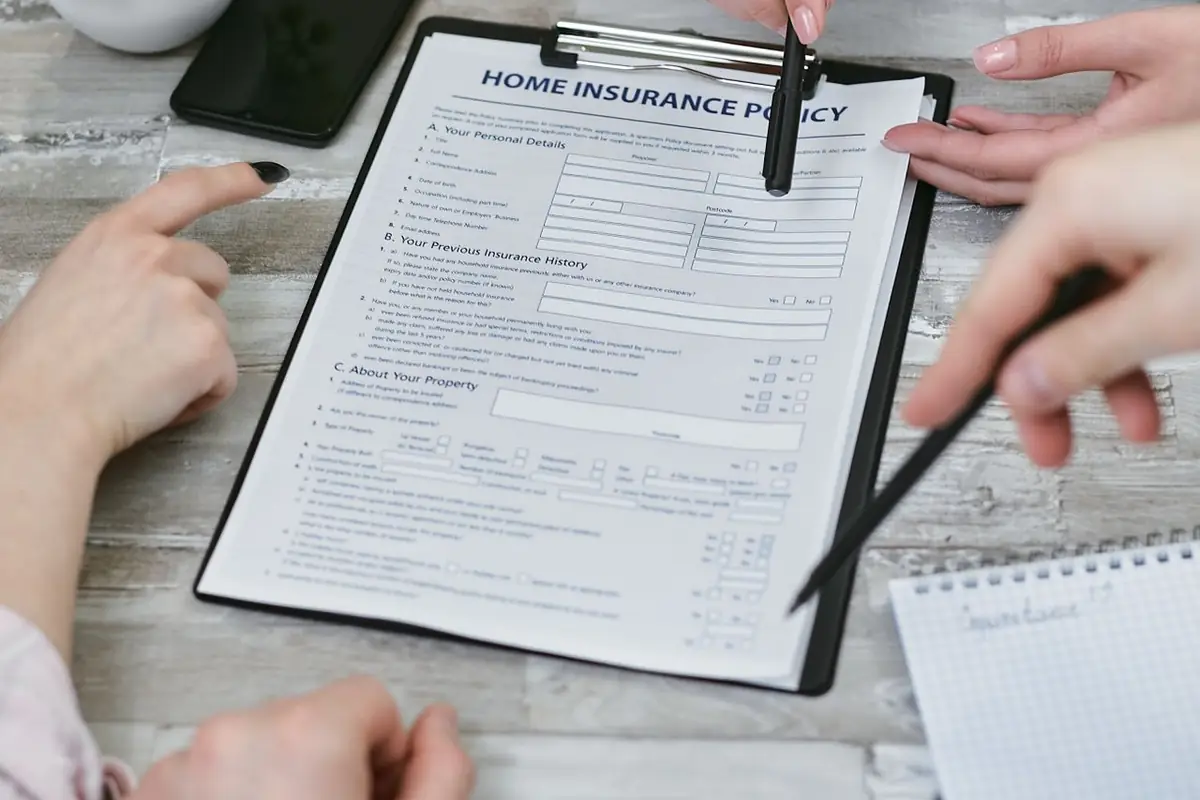 Document before you clean
Fire insurance claim FAQ
Under Fla. Stat. 627.70131, an insurer must review and acknowledge a claim communication within 7 calendar days, must begin any reasonably necessary investigation within 7 days of receiving proof-of-loss statements, and must pay or deny the claim within 60 days of receiving notice of it. These are the current figures — earlier versions of the statute allowed longer, and a lot of advice online still quotes the old numbers.
No. Cleaning before the loss is documented removes the evidence your claim is based on, and that is particularly damaging on smoke-only losses where there is nothing charred to point at. Photograph and video everything first. The one exception is emergency mitigation — securing the building, stopping ongoing water — which your policy expects you to do; document that too and keep the receipts.
More than feels necessary. Wide shots of every affected room, then close-ups of surfaces showing residue, the tops of cabinets and door frames, the inside of light fixtures, the HVAC return and filter, and contents including the insides of drawers and wardrobes. For smoke damage, a wipe test — cleaning one small patch so the contrast against the uncleaned surface is visible — photographs the damage far better than a wide shot of a room that looks normal.
Because there is nothing dramatic to photograph. A protein fire in particular leaves a near-invisible film with a powerful odor, so a kitchen can look untouched and smell unbearable, and scope gets underestimated on the basis of the photographs. Naming the damage accurately in writing — protein residue, smoke film, odor absorption into porous materials — and demonstrating it with wipe-test images is what makes it assessable.
No. We are a cleanup company, not a public adjuster or a law firm, so we do not negotiate or file claims on your behalf. What we do is scope and document the damage thoroughly before work starts, provide a written breakdown of the work involved, and communicate with your adjuster about that scope. If your claim becomes a dispute, a licensed public adjuster or attorney is the right person to involve.
Need the damage documented properly?
We scope and photograph the loss before cleaning, and work alongside your adjuster.