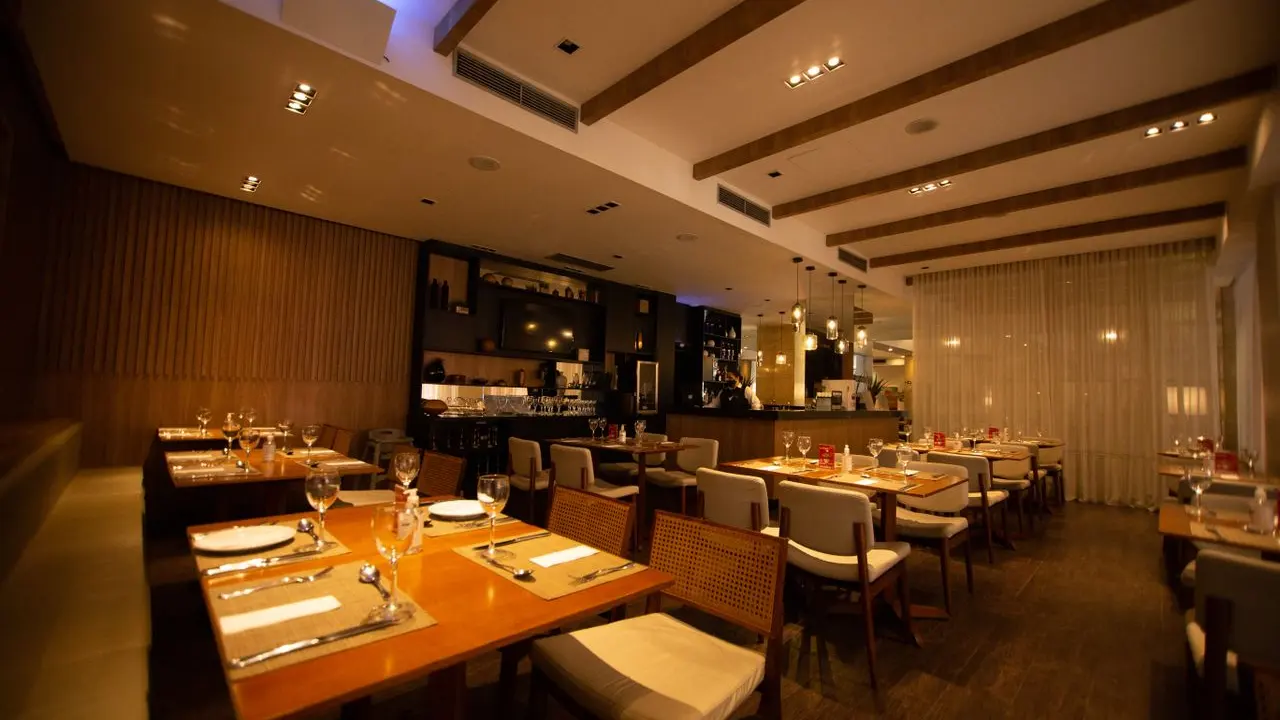
Reopening is a chain of sign-offs, not a cleaning standard. If the hood system discharged, a technician must recharge and inspect it before you use the kitchen, and the automatic fuel and power shut-offs need manual resetting. A food-service facility then generally needs health department approval to return to service. Find out who signs what on day one.
- Why you cannot simply reopen tomorrow
- The calls to make in the first 48 hours
- Phase 1: Make safe and document
- Phase 2: Get fire protection back in service
- Phase 3: Degrease, clean and sanitise
- Phase 4: Equipment, utilities and stock
- Phase 5: Inspections
- Phase 6: Staff and reopening day
- The decision this checklist cannot make
- The paperwork you must keep
- Reopening sooner comes down to sequence
- FAQ
The short version
- Any suppression discharge, even an accidental one, means recharge and inspection before you use the kitchen again.
- The automatic fuel and power shut-offs need manual resetting. A dead line is often not fire damage.
- Get the certification sticker, not a verbal assurance. That tag is what inspectors and insurers look for.
- Photograph and itemise stock before you bin it, or you cannot claim it.
- Days spent waiting to start are usually not recoverable on a business interruption claim.
Why you cannot simply reopen tomorrow
After a kitchen fire most owners plan to reopen the next morning. Once your team has mopped the floor and wiped the line, the kitchen looks like a kitchen again, so reopening feels like your decision to make. It is not. Reopening a restaurant after a fire is a chain of sign-offs, and other people hold most of the links.
Treat those approvals as your first job rather than your last one, because the order you work them in decides how long you stay closed. Below are the five people who can hold up your reopening.
| Who | Signs off on | When to contact them |
|---|---|---|
| Fire protection technician | Suppression recharge, inspection and return to service | Day one. Usually your longest wait. |
| Health department | Return to service on food-safety grounds | Day one. Ask what they need to see. |
| Fire marshal | Life-safety items, if equipment moved, seating changed or exits were affected | Early, if any of those apply |
| Licensed electrician or utility | Restoring power or gas that was shut off | Before you need that line working |
| Insurer or adjuster | The scope of the loss and your claim | Day one, before cleaning starts |
Ask every one of them the same question on day one: what exactly do you need to see before we can reopen? Get that answer in writing, because it turns an open-ended closure into a task list.
The calls you should make in the first 48 hours
Owners who have been through a restaurant fire describe the same short list. Below are the four calls to make in the first 48 hours.
- Your insurance broker. Open the claim, then ask directly about business interruption cover and which documents the insurer wants.
- Your accountant. A closed restaurant still has tax and corporate obligations, and your accountant will tell you which ones move.
- Your payroll company. Sort out how staff get paid while the doors are shut, before the next pay run arrives.
- The Small Business Administration. If your state declared a disaster, SBA relief may open funding to you. That matters in Florida, where declarations follow storms.
One more option is worth knowing. Some policies let a loss adjuster act on your behalf, handling the paperwork and negotiating the claim while you run the recovery. That is a separate profession from restoration: we document and scope the damage for your claim, we do not file or negotiate it.
Phase 1: Make safe and document
Phase 1 protects two things at once: your safety and your claim. Below are the five steps to complete before anyone starts cleaning.
Clearance from the fire service means the fire is out. It does not mean your kitchen is usable. Treat gas, hot metal, smouldering debris and standing water as live hazards.
Take wide shots of every area, then close-ups of the hood interior, the line, prep surfaces, the ceiling, the walk-in and your stock. On a smoke loss the residue is your evidence, and cleaning destroys it.
Report the fire on day one and ask what documentation the insurer expects.
If any part of the building is open to the street or the weather, close it up before you leave.
A business interruption claim rests on what your restaurant earned before the fire, so you need sales and payroll records going back a year or two. Owners who lost their paperwork in the building say to start this immediately. Request copies from your accountant, your POS provider and your bank now.
Phase 2: Get fire protection back in service
Phase 2 usually decides your reopening date, so start it on day one. Under NFPA 96, any discharge of your hood suppression system requires a full recharge and inspection before you use the kitchen again, and that applies even to an accidental discharge with no fire at all. A qualified technician has to do this work, not your team.
Two details matter while you wait. When your suppression system fired, it cut fuel and electrical power to the protected cooking equipment, and those shut-off devices have to be reset by hand. Owners regularly decide a range is fire-damaged when the safety interlock is simply doing its job. Your system also has a manual pull station away from the hood, which staff use if the automatic mechanism fails. Check your team knows where it is.
The full mechanics are on restaurant and commercial kitchen fire cleanup.
Phase 3: Degrease, clean and sanitise
Degreasing, cleaning and sanitising are three separate jobs collapsed into one word, and they are not interchangeable. Below is the order to run them in.
- Remove the suppression agent first. The wet chemical is potassium-based and its alkalinity attacks stainless steel and aluminium if you leave it sitting. It is water-soluble, so hot water and detergent lift it, but do that promptly.
- Degrease the hood, the filters and the duct run. This is where the fire fed from. NFPA 96 also sets cleaning frequencies for normal operation, broadly quarterly for high-volume cooking and annually for lighter volumes. If your last clean was overdue, deal with it now rather than at your next inspection.
- Then clean and sanitise food-contact surfaces, prep areas and everywhere the smoke reached. Smoke residue is not ordinary dirt: greasy and protein-based residue spreads under a normal spray cleaner instead of lifting, as explained in what a protein fire is.
If someone also discharged a portable extinguisher, that residue is a different problem. ABC dry chemical draws in moisture and turns acidic in humid air, covered in kitchen fire extinguishers and their cleanup.
Phase 4: Equipment, utilities and stock
Do not power anything up to test it. Smoke residue is acidic and mildly conductive, and it settles on boards and contacts inside anything with a cooling fan: POS terminals, printers, refrigeration controls. Energising contaminated contacts is how recoverable equipment gets destroyed after the fire rather than by it. Have a technician assess it first, and expect them to clean, repair and retest anything that survives before it goes back into service.
Your stock needs the same discipline. Discard anything exposed to smoke, soot, suppression agent or an extended loss of refrigeration, including sealed and packaged goods, because packaging will not protect the contents from smoke or heat. Anything singed goes as soon as it cools. The Association of Food and Drug Officials publishes a Food Salvage Guide your health inspector will recognise. Before you bin any of it, photograph the stock in place and write an itemised list with values, because spoiled inventory is normally claimable if you recorded it. Then ask your waste contractor for a special pickup.
Phase 5: Inspections
By Phase 5 you have finished the work and your job is to demonstrate it. Your health department normally inspects before a food-service facility returns to service, and your fire marshal may sign off separately if your layout, equipment positions, seating capacity or exit routes changed. Have your documentation on the counter rather than hunting for it during the visit, because inspections move faster when the records are already in front of the inspector.
Phase 6: Staff and reopening day
Phase 6 gets forgotten because none of it is a compliance item. Below are the four things you should do before you serve a single cover.
- Brief your team on everything that changed, then run through fire safety and the emergency plan while it is fresh. Inspectors do ask managers about training.
- Test your POS and payment systems before service rather than during it.
- Check your refrigeration has held temperature long enough to trust it, and write that down.
- Tell your customers you are open. Trade does not return the day the doors open. That gap is what extended business income cover is meant to bridge, and standard cover often runs only about 30 days, which is short for hospitality.
The decision this checklist cannot make for you
Every item above has a right answer. This one does not, and owners describe it as the hardest part of the closure: what happens to your staff while the doors are shut.
Business interruption cover usually pays continuing payroll, but only for a limited stretch, and where you land depends on your policy. Some operators come through comfortably. One owner whose kitchen burned the day before New Year’s Eve credited business interruption cover with keeping every member of staff paid. Others run out long before they reopen. In one widely reported case a franchisee had 60 days of payroll covered, then personally funded roughly $144,000 to keep 40 employees paid across the remaining four months. Another kept 84 staff on the books through a rebuild. Neither was contractually obliged, and both say it is why their team came back.
Below are three practical points, offered without telling you what to choose.
- Find your payroll limit on day one. Ask your insurer how many days of continuing payroll your policy funds. The gap between that number and your realistic reopening date is the decision you actually face.
- Tell your team the truth early. Staff who hear nothing assume the worst and take other work. Operators who shared a timeline, even an uncertain one, kept more people.
- Accept community help for your staff rather than your building. Fundraisers for displaced employees are common and raise real money, with one passing $10,000. Communities give readily to people and awkwardly to premises.
The stakes are worth stating plainly. The U.S. Small Business Administration puts the chance of never reopening after a catastrophe at roughly one in four, and most of that risk sits in the weeks after the fire rather than the fire itself.
The paperwork you must keep
Treat your paperwork as an evidence file rather than a filing chore. It matters for your insurer now, your inspections later, and the value of your business if you sell it. Below are the seven documents to keep.
| Document | Why it matters to you |
|---|---|
| Fire incident report | The official record insurers commonly ask for |
| Suppression service record | Proof your system was recharged and returned to service |
| Hood cleaning certificate and dated sticker | The artifact fire marshals and insurers look for. A verbal assurance is worth nothing beside it. |
| Electrical certification | Needed where power was shut off |
| Restoration scope and invoices | Substantiates your claim and shows what was done |
| Stock disposal list and photographs | Without these, spoiled inventory is very hard to claim |
| Inspection results and sign-off letters | Your proof of a clean reopening. Keep digital backups. |
One last point on timing. Business interruption cover pays over the period of restoration, broadly the time it reasonably takes to get your premises operational. Time lost between the fire and the start of work is generally not recoverable, so the days you spend waiting for someone to begin are the most expensive of the whole shutdown. How commercial work gets sequenced is on commercial fire and smoke cleanup.
Reopening sooner comes down to sequence
A restaurant fire hands your reopening date to a technician, a health inspector, a fire marshal and an adjuster. You cannot remove them from the process, but you can stop waiting on them one at a time. Contact all of them on day one and get their answers in writing. That turns an open-ended closure into a sequence you control, which opens your doors sooner and protects the claim that pays for it.
Need your kitchen turned round quickly?
The constraint is usually sequencing rather than scrubbing. We scope same-day and work to the sign-offs you actually need.
Frequently asked questions
It depends far less on the size of the fire than on the sequence. A contained flare-up with no suppression discharge and no smoke spread you can often clear the same day. Once the hood system has discharged, recharging and certifying it sets the timeline, alongside, degreasing the hood and duct run, cleaning and sanitising to a food-safety standard, restoring the utilities that shut off automatically, and obtaining the required inspections. Days is realistic for minor incidents; anything reaching the duct run, ceiling or dining room is usually longer.
You will almost certainly need documented proof that the exhaust system has been properly cleaned, because grease in the hood and duct run is what fed the fire. Certified cleaning services provide a report and a dated certification sticker or service tag attached to the equipment, and that physical artifact is what a fire marshal or insurer looks for. A verbal assurance from a contractor carries none of the same weight, so make sure you receive and keep the documentation.
Usually more than one authority, on different questions. A fire protection technician certifies the suppression system after recharge. The fire marshal signs off separately when equipment moved, seating capacity changed, or the works affected exit routes. The health department typically approves the facility's return to service on food-safety grounds. Utility providers and a licensed electrician restore power or gas that shut off during the fire. Find out on day one which of these apply to you rather than discovering one at the end.
Anything exposed to smoke, soot, suppression agent, or an extended loss of refrigeration, and that includes sealed and packaged goods, because smoke penetrates packaging and food-safety authorities treat exposure conservatively. Photograph the stock in place, produce an itemised list with values, and only then dispose of it. Spoiled inventory is normally claimable, but only if you recorded it before it went in the bin.
It can affect the business interruption side. Business interruption cover pays lost income and continuing expenses over the period of restoration, broadly the time it reasonably takes to get the premises operational. Delay between the incident and the start of work is generally not recoverable, so the days spent waiting for someone to begin are usually the most expensive and the most avoidable part of the timeline. Check your waiting period and your extended business income limit while you are shut.
The bottom line: reopening is a chain of sign-offs, and the cleaning is only one link in it. Work the chain in order: system recharged, kitchen degreased and sanitised, utilities properly restored, inspection passed. Then keep the paperwork for every step. The restaurants that reopen fastest are not the ones that cleaned hardest; they are the ones who found out on day one exactly who had to sign what.