Contents Pack-Out & Cleaning in Boca Raton
Your belongings are usually the part of a fire loss that hurts most and gets handled worst — moved before they are recorded, or written off before anyone checks whether they could be saved.
A pack-out means inventorying your belongings, removing them from the property, cleaning them off-site, storing them while the building is restored, and returning them. It exists for two reasons: contents clean better away from a contaminated building, and getting them out lets the structural work run faster. Nothing should move until it has been photographed and listed.
Why belongings leave the building
Two practical reasons, and neither is about convenience.
First, contents clean better somewhere else. A property still holding smoke residue in its air, ductwork and surfaces re-contaminates anything cleaned inside it. Working at a separate facility means items are cleaned once rather than repeatedly.
Second, an empty property is restored faster. Drying equipment, surface cleaning and any repair work all move quicker without furniture to work around and protect — and on a claim where business or living costs are accruing, that time is money in a very direct sense.
Document before anything moves
This is the single most consequential instruction on this page, and it takes an hour.
Once belongings are moved, it becomes far harder to establish what you had, where it was and what condition it was in. A contents claim is built almost entirely on that record. So: wide shots of every room, then close-ups — and specifically inside drawers, wardrobes, cabinets and storage, because smoke gets into closed spaces and a contents claim for items nobody photographed is a difficult conversation.
If you need essentials out immediately — documents, medication, a few days of clothing — take them, but photograph them where they sit first. Everything else waits for the inventory. The wider documentation approach is on fire insurance claims.
What survives, and what doesn’t
People tend to be either far too optimistic or far too fatalistic about this. The reality is fairly predictable by material.
| Item type | Usual outcome | Why |
|---|---|---|
| Crockery, glass, metal, hard goods | Usually recoverable | Non-porous — residue sits on the surface |
| Furniture frames, solid timber | Usually recoverable | Cleanable, and sealable where odor persists |
| Washable clothing and linens | Usually recoverable | Proper laundering works — see smoke smell in clothes and fabrics |
| Electronics | Assessed — do not power on | Acidic residue on boards corrodes; energising it can destroy the device |
| Documents and photographs | Sometimes recoverable | Specialist handling; paper absorbs odor readily |
| Mattresses, pillows, cushion inserts | Usually written off | Open-cell foam holds odor through its whole structure |
| Food, cosmetics, medication | Discard | Smoke penetrates packaging; heat degrades contents |
That foam row is worth dwelling on, because it is where most disagreements happen. Surface treatment does not reach the inside of a foam core, so a mattress that smells will generally keep smelling. Being told that early saves weeks of trying.
How a pack-out runs
Room by room, itemised and photographed, with condition recorded. This is the document your contents settlement is negotiated from.
Cleanable, specialist, or non-salvageable — decided before things are boxed, so write-offs are recorded rather than discovered later.
Labelled and tracked against the inventory so items can be located while they are away.
Method matched to the material — textiles laundered, hard goods cleaned, odor treated in a controlled environment rather than in a contaminated building.
Held until the property is clean, dry and ready, then returned against the inventory.
Two things worth asking for
Whoever handles your contents, ask for these up front. An itemised inventory you receive a copy of — not held only by the contractor — because it is your claim document as much as theirs. And a route to request specific items back during the works, because a pack-out that runs several weeks will inevitably include something you need sooner than you expected.
Contents work runs alongside the building work rather than after it. Where the property is still wet, drying takes priority and is covered in post-fire water damage and drying; the overall sequence is on fire damage restoration.
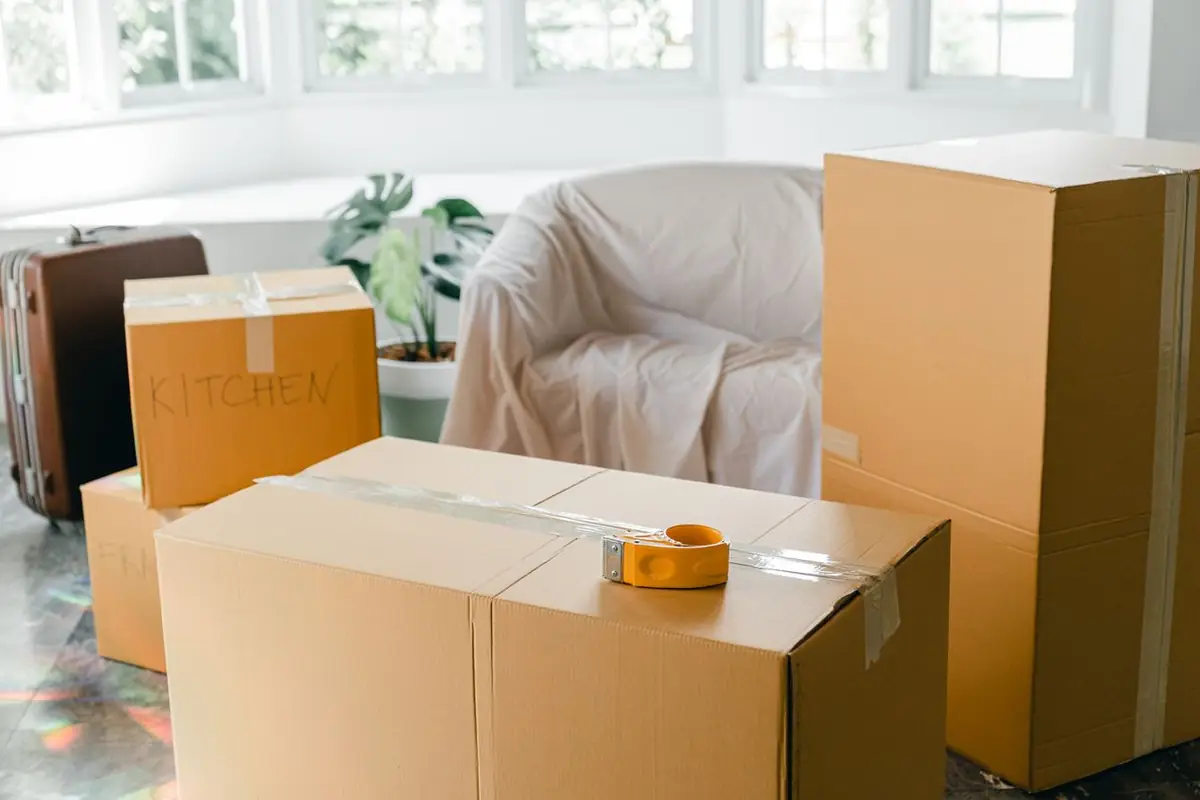 Document before anything moves
Contents pack-out FAQ
It is the process of inventorying your belongings, packing and removing them from the damaged property, cleaning and deodorizing them at a separate facility, storing them while the building is restored, and returning them afterwards. It is done both because contents clean far better away from a building that is still contaminated, and because an empty property lets drying, cleaning and repair work proceed much faster.
More than people assume, with some clear exceptions. Hard, non-porous items — crockery, glass, metal, most furniture frames, many electronics if they have not been powered up — are frequently recoverable. Washable textiles usually recover with proper laundering. The consistent write-offs are open-cell foam items such as mattresses, pillows and cushion inserts, because odor sits through the entire structure of the material, along with anything heat-distorted and most food, cosmetics and medication that were exposed.
Not before they are documented. Once items are moved, it becomes much harder to establish what was where and what condition it was in, which is exactly what a contents claim rests on. Photograph rooms wide, then close-ups, including inside drawers, wardrobes and cabinets. If you need essentials immediately — documents, medication, a few clothes — take those, photograph them first, and leave the rest until it has been recorded.
Electronics are assessed rather than assumed either way, and the critical instruction is not to power them on to test them. Smoke residue is acidic and mildly conductive, it settles on boards and contacts through cooling vents, and energising a contaminated device is how equipment that was recoverable gets destroyed after the fire. Leave affected electronics off and unplugged until they have been looked at.
Usually as long as the structural work takes, since contents come back once the property is clean, dry and ready to receive them. That is typically weeks rather than days for a significant loss. You should expect an itemised inventory of everything taken, be able to request specific items back during the works, and receive a clear account of what was cleaned, what was stored and what was written off.
Belongings caught in a fire?
We inventory and document before anything moves, then tell you honestly what is worth cleaning and what isn't.